
C700 Series · fiberglass · formerly Ultra
C700: the fiberglass line Milgard used to call Ultra Series.
Fiberglass barely moves when it gets hot, which is why it holds a dark exterior colour on a west wall and spans openings vinyl struggles with.
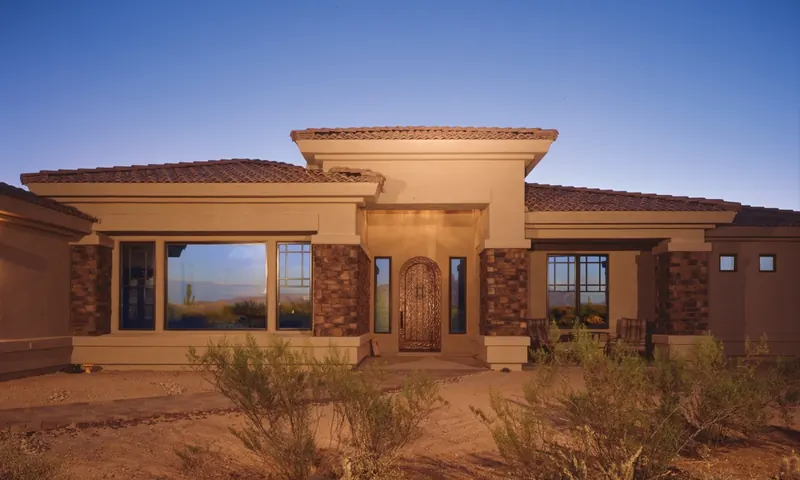
Fiberglass, and why heat is the whole argument
Every frame material expands when it gets hot. The question is how much, and whether that movement matters where you live.
Fiberglass expands very little — close to the rate glass itself expands, which is not a coincidence, since it is made from glass fibres. Vinyl moves considerably more. On a 105° roofline in Chatsworth in August, a large vinyl frame in a dark colour is working against itself all afternoon, and over years that shows up as sashes that bind and seals that give up early.
That is the case for C700 Series, and it is a narrower case than the brochure implies. On a shaded north elevation, in a standard-sized opening, in white, vinyl is fine and cheaper. C700 earns its money in three specific places.
Dark exterior colours
A dark frame absorbs far more heat than a white one. This is the single most common reason we specify fiberglass: a homeowner wants black or bronze windows on a west or south elevation, and in vinyl that combination is asking for trouble. C700 Series is painted fiberglass, and it holds a dark colour on a hot wall without the frame moving enough to matter.
Large openings
Fiberglass is stronger than vinyl, so the frame can be slimmer for the same span, or the span can be longer for the same frame. Where a vinyl unit would need a bulky section or a post through the middle of your view, C700 often does not.
What happened to Ultra Wood Clad
Milgard has retired the Ultra name, and the wood-clad interior option went with it. If you are searching for “Milgard Ultra Series” or “Ultra Wood Clad”, the C700 is what replaced it — the same fiberglass proposition in the current lineup.
If you already have Ultra windows and need a matching unit or a replacement part, bring us the order number. Being the dealer that can look up the original order is how we work out what still fits.
What it costs you
More than vinyl, straightforwardly. There is no configuration where C700 Series is the budget answer, and we will not pretend the energy difference pays for it — the performance gap between a good vinyl window and a good fiberglass one is smaller than the price gap. You are buying longevity in heat, a dark colour that stays flat, and slimmer sightlines. If none of those apply to your job, buy Style Line and spend the difference on more windows.
The catalog
Configurations, finishes and the wood-clad interiors: Milgard C700 Series (PDF, 2.1 MB). The rest of the range is on our Milgard series page, and we are an authorized Milgard dealer in Canoga Park.
The ones people actually call about
Questions homeowners ask
Is fiberglass really better than vinyl?
At resisting heat movement, yes, clearly. At insulating, the gap is much smaller than the price gap — both use the same glass packages, and glass is where most of the performance lives. Buy fiberglass for a dark colour on a hot wall, for a large opening, or for a house you intend to keep. Buy vinyl otherwise.
Can I get black windows in vinyl instead?
You can, and on a shaded elevation it is fine. On a west or south wall in the Valley we will push back, because a dark vinyl frame absorbs a lot of heat and vinyl moves more than fiberglass when it gets hot. If you want dark frames on a sunny elevation, this is the line to use.
What happened to the Milgard Ultra Series?
Milgard renamed and refreshed it. The fiberglass line is now the C700 Series, and the Ultra Wood Clad interior option went with the old name. If you already have Ultra windows and need a match or a part, bring us the order number — being the dealer that placed the order is how we work out what still fits.
Does C700 Series come as a retrofit?
Yes, though fiberglass is more often specified on full-frame replacements, where the slimmer frame and larger span capability actually get used. A retrofit installs inside your existing frame and costs you about an inch of glass in each direction, which works against the reason you chose it.
Is fiberglass worth it for a house I am selling?
Probably not. The buyer sees "new dual-pane windows" either way, and the difference between vinyl and fiberglass rarely shows up in the price. It is worth it for a house you are staying in, on the elevations that actually take sun.
Free, in your home, no fee
Find out what it costs
We measure, price every opening separately, and leave the written quote with you. Whether you call us back is up to you.