
Flush fin · block frame · full-frame
Retrofit windows, and the three times we tell people not to use one.
A retrofit installs into the frame you already have. That is why most Los Angeles jobs finish in a day without touching your stucco — and why it is the wrong answer for some houses.
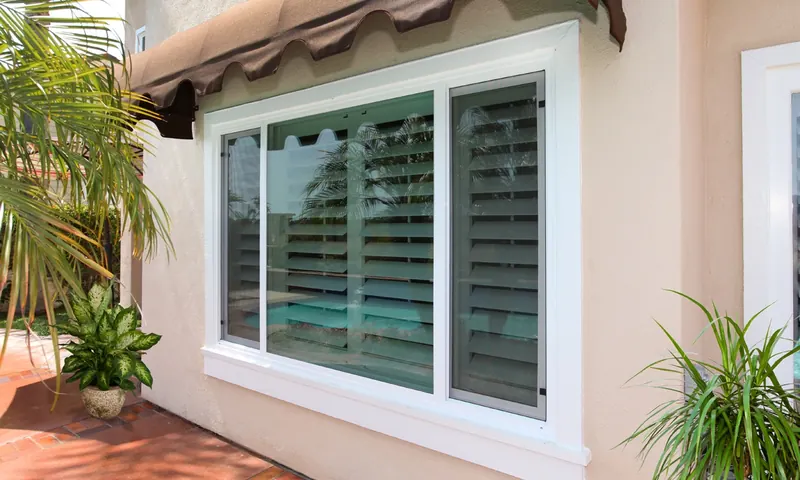
What a retrofit window actually is
A retrofit window installs into the window frame you already have. The old frame stays in the wall; the old sashes and glass come out, and the new unit sets into that opening and seals against it.
The common version in Los Angeles is a flush fin: the new window has a flat lip around its outside edge that laps over the face of the existing aluminium frame and seals against the stucco. There is also a block frame retrofit, which sets inside the old frame without an exterior fin, used where the outside face needs to stay clean.
The alternative is full-frame replacement, where the old frame comes out down to the rough opening in the wall framing.
Why most Valley houses take one
Houses here built from roughly the nineteen-sixties onward mostly have aluminium windows set into stucco. Pulling those frames means cutting stucco, patching it, and repainting an elevation — and stucco patches do not disappear. A retrofit avoids all of that. Nothing outside gets cut, most rooms are done in a day, and the cost sits well below full-frame because the labour is a fraction of it.
That is the honest reason retrofit dominates this market. It is not a compromise product; for a sound aluminium frame in stucco it is the correct installation.
What you actually give up
This is the part most people selling retrofit windows will not put in writing.
You lose some glass. The new frame sits inside the old one, so the visible glass shrinks — usually on the order of an inch or so in each direction depending on the frames involved. On a big picture window nobody notices. On an already-small bathroom window it is noticeable, and we will say so before you order it.
It cannot fix what is behind it. A retrofit seals to the old frame. If that frame is leaking, if there is water damage in the wall, or if the opening has racked out of square, a retrofit installs over the problem rather than resolving it. Water that was getting in will still get in.
The old frame is in the wall permanently. Practically that is fine, but it does mean a future owner inherits it.
There is a visible fin. A flush fin leaves a flat band around the outside of the window. Most people stop seeing it within a week. Some people hate it, which is worth knowing before rather than after.
The three times we tell people to do full-frame instead
Wood frames, rot, or water damage. If the existing frame is wood and soft anywhere, or there is staining in the wall below the window, retrofit is the wrong answer. Take it out and see what is behind it.
You are changing the opening. Making a window bigger, turning two windows into one, or converting a window to a door is structural work, not a retrofit.
The frame is out of square or already leaking. A retrofit is only as square and as watertight as the frame it seals to.
Any of those and we will price full-frame, tell you why, and show you the specific opening it applies to. If a contractor tells you your entire house needs full-frame, ask them to walk you to a window and prove it.
Title 24 applies either way
A retrofit is not a loophole. California’s Title 24 energy code sets maximum U-Factor and Solar Heat Gain Coefficient values for replacement windows, and the unit you install has to meet them regardless of how it is installed. The NFRC sticker in the corner of a new window is the document that proves it, which is why we leave those on until you have read them.
Whether the job needs a permit depends on its scope and on which jurisdiction you are in, and a like-for-like retrofit is treated differently from work that changes the opening. We follow building and safety regulations and pull one where it is required — there is more on that, and on what actually drives the price of a job, on our Los Angeles window replacement page.
Every line we carry is available as a retrofit, and we are an authorized Milgard dealer with the frames on the floor in Canoga Park so you can look at a flush fin in person before you decide how you feel about it.
The ones people actually call about
Questions homeowners ask
What is a retrofit window?
A window that installs into the frame you already have, instead of replacing that frame. The old sashes and glass come out, the old frame stays in the wall, and the new unit seals into it. The common version here is a flush fin, which laps over the face of the existing aluminium frame and seals against the stucco.
What are the problems with retrofit windows?
Four real ones. You lose a little visible glass, because the new frame sits inside the old one. It cannot fix a leaking frame, water damage or an opening that has gone out of square — it installs over those. The old frame stays in the wall permanently. And a flush fin leaves a visible flat band around the outside of the window, which most people stop noticing quickly but some people dislike.
Are retrofit windows worth it?
For a sound aluminium frame set in stucco, which is most Los Angeles houses built from the sixties on, yes — it is the correct installation, not a cheap substitute. You avoid cutting and patching stucco, most rooms are done in a day, and the energy performance comes from the window itself, which is identical either way. If the existing frame is wood, rotted, leaking or out of square, it is not worth it and we will tell you so.
How much glass do you actually lose?
Usually around an inch in each direction, depending on the two frames involved. On a large picture window it is imperceptible. On a small bathroom or kitchen window it is noticeable, and we will point it out before you order rather than after it is installed.
Can I put a retrofit window into a wood-framed opening?
Usually not, and you should be suspicious of anyone who says yes without looking. Wood frames are the ones most likely to be hiding rot, and a retrofit seals over whatever is there. If your frames are wood we will want the old one out so we can see the opening.
Does a retrofit window still have to meet Title 24?
Yes. Title 24 sets maximum U-Factor and Solar Heat Gain Coefficient values for the window, and how it is installed does not change that. The NFRC sticker on the new unit is what proves compliance, and we leave it on the glass until you have read it.
Free, in your home, no fee
Find out what it costs
We measure, price every opening separately, and leave the written quote with you. Whether you call us back is up to you.